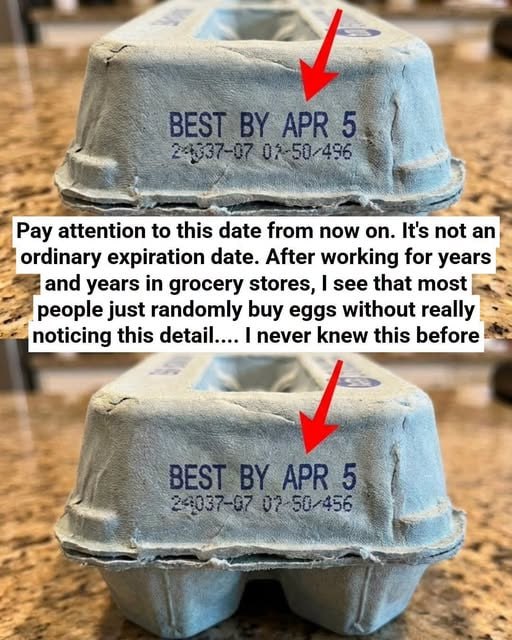
Discover what the numbers on your egg carton really mean. Learn about Best By dates, Julian dates, plant codes, egg freshness, storage tips, and how to choose the freshest eggs every time.
Most shoppers grab a carton of eggs without giving much thought to the information printed on the package. While nearly everyone checks the price or the size of the eggs, far fewer people understand what the printed dates and numbers actually mean. Those seemingly random codes can tell you far more than just when the eggs are expected to taste their best.
If you’ve ever wondered why one carton says “Best By”, another includes a long string of numbers, and some cartons have mysterious three-digit codes, you’re not alone. Understanding these markings can help you choose fresher eggs, store them properly, reduce food waste, and make more informed purchasing decisions.
Contrary to many viral social media posts, the information printed on an egg carton isn’t a hidden secret. However, many consumers simply don’t know what each code represents. Learning how to read an egg carton is surprisingly easy once you know what to look for.
This guide explains everything you need to know about egg carton labels, including:
- What the “Best By” date really means.
- How eggs are dated before they reach grocery stores.
- What the three-digit Julian date represents.
- How plant identification numbers work.
- How long eggs remain safe after the printed date.
- Simple ways to test egg freshness at home.
- The best methods for storing eggs safely.
Why Every Egg Carton Has Printed Numbers
Egg cartons contain several pieces of information that help consumers, grocery stores, distributors, and food safety officials track each batch of eggs. These markings make it possible to identify where the eggs were processed, approximately when they were packed, and when the manufacturer recommends using them for the best quality.
These labels are primarily designed for quality control and traceability. If a food recall ever occurs, the printed codes help identify affected products quickly and accurately.
For shoppers, these numbers provide useful information about freshness—but only if you know how to read them.
What Does “Best By” Really Mean?
The phrase “Best By” is one of the most misunderstood food labels in grocery stores.
A Best By date is not the same as an expiration date. Instead, it indicates the period during which the manufacturer expects the eggs to maintain their highest quality, including taste, texture, and overall freshness, when stored properly.
In many cases, eggs remain perfectly usable beyond the Best By date, provided they have been refrigerated continuously and show no signs of spoilage. Over time, the quality of the eggs may gradually decline, but that does not necessarily mean they become unsafe immediately after the printed date.
Because refrigeration practices vary from household to household, consumers should always evaluate eggs using common signs of freshness rather than relying solely on the printed date.
Best By vs. Expiration Date
| Label | What It Means |
|---|---|
| Best By | Recommended period for best quality. |
| Sell By | Used mainly by retailers for inventory management. |
| Expiration Date | If present, indicates the final recommended date for use according to the manufacturer or local regulations. |
Many egg cartons sold in the United States display a Best By date rather than a strict expiration date. This helps consumers understand that quality naturally changes over time, even when the product remains properly refrigerated.
What Are the Other Numbers Printed Below the Date?
Below the Best By date, you’ll often notice another sequence of letters and numbers. Although these codes may look confusing, they serve important purposes.
Depending on the producer, these codes may include:
- Production batch numbers
- Processing line identification
- Packaging time
- Facility tracking information
- Internal quality control codes
These numbers are mainly intended for manufacturers and food safety officials rather than consumers. They help identify the exact production run if questions ever arise about a particular batch of eggs.
The Julian Date: One of the Most Useful Numbers
Many cartons also display a three-digit number ranging from 001 to 365. This is known as the Julian Date, and it represents the day of the year when the eggs were packed.
For example:
- 001 = January 1
- 032 = February 1 (approximately)
- 100 = Around April 10
- 200 = Around July 19
- 365 = December 31
The Julian Date can often provide a better estimate of freshness than the Best By date because it tells you approximately when the eggs were packed rather than when the manufacturer expects peak quality to end.
Understanding the Plant Code
Another important marking found on many egg cartons is the plant code. This code identifies the processing facility where the eggs were cleaned, graded, and packaged before being shipped to grocery stores.
In the United States, egg processing plants are assigned unique identification numbers. If food safety officials ever need to investigate a quality issue or issue a product recall, the plant code helps them trace the eggs back to the exact facility where they were processed.
Consumers generally don’t need to memorize these codes, but understanding their purpose can provide confidence that every carton is part of a traceable food safety system.
How to Choose the Freshest Eggs at the Grocery Store
Selecting fresh eggs isn’t just about looking at the date printed on the carton. Taking a few extra moments to inspect the package can help ensure you’re bringing home the highest-quality eggs available.
When shopping for eggs, consider the following tips:
- Compare several cartons and choose one with the furthest Best By date when possible.
- Open the carton carefully to check that none of the eggs are cracked.
- Avoid cartons with moisture or leaking liquid inside.
- Make sure the carton feels cold, indicating it has been refrigerated properly.
- Choose eggs from a refrigerated display rather than those left sitting outside a cooler.
Cracked eggs are more vulnerable to bacteria entering through the damaged shell, so it’s always best to leave damaged cartons on the shelf.
How Long Do Eggs Stay Fresh?
Freshness depends on several factors, including how quickly the eggs were refrigerated after processing and whether they remain refrigerated throughout transportation and storage.
Properly refrigerated eggs often maintain good quality for weeks after packing. While quality naturally declines over time, refrigeration greatly slows this process.
Instead of relying only on the printed date, always inspect eggs before cooking. If an egg looks or smells unusual after cracking, it should be discarded.
The Water Test: A Simple Freshness Check
One of the best-known methods for checking egg freshness is the water test, sometimes called the float test.
To perform this test:
- Fill a bowl with cold water.
- Gently place the egg into the bowl.
- Observe how it behaves.
| Egg Position | What It Generally Indicates |
|---|---|
| Lays flat on the bottom | Very fresh. |
| Stands upright but remains on the bottom | Older but often still usable. |
| Floats to the surface | Likely much older and should be evaluated carefully before use. |
The reason older eggs tend to float is that moisture slowly evaporates through the shell over time, allowing a larger air pocket to develop inside the egg.
While the float test can provide useful information about age, it should not replace common sense. Always crack an egg into a separate bowl and check its appearance and smell before cooking.
Signs That an Egg May No Longer Be Good
Rather than relying only on printed dates, it’s important to recognize signs that an egg may no longer be suitable for use.
Discard an egg if you notice:
- A strong unpleasant odor after cracking.
- Visible mold on the shell.
- A cracked shell that has leaked for an unknown period.
- An unusual appearance that suggests spoilage.
A fresh egg should have little to no odor when opened. If it smells unpleasant immediately after cracking, it is best not to consume it.
Common Myths About Egg Carton Dates
Myth 1: Best By Means the Eggs Expire That Day
This is one of the most common misconceptions. A Best By date is primarily a quality recommendation rather than an exact safety deadline.
Myth 2: Every Number Printed on the Carton Is a Secret Freshness Code
Many viral posts claim that every printed number reveals hidden information. In reality, some numbers simply help manufacturers manage production and product tracking.
Myth 3: Brown Eggs Stay Fresh Longer Than White Eggs
Shell color depends on the breed of the hen and does not determine freshness or nutritional value.
Myth 4: Floating Eggs Are Always Unsafe
A floating egg is generally older because it contains a larger air cell, but floating alone does not automatically determine whether an egg is unsafe. Additional inspection is always recommended.
Frequently Asked Questions (FAQ)
1. Can you eat eggs after the Best By date?
In many cases, eggs may still be suitable for use after the Best By date if they have been kept refrigerated continuously and show no signs of spoilage. The Best By date is primarily a quality guideline rather than a strict safety deadline. Always inspect eggs before using them.
2. Why do egg cartons have so many numbers?
Egg cartons include several codes to help manufacturers, distributors, retailers, and food safety officials identify where and when the eggs were processed. These numbers improve traceability and quality control throughout the food supply chain.
3. What is the difference between the packing date and the Best By date?
The packing date indicates when the eggs were processed and packed, often shown as a three-digit Julian date. The Best By date is the manufacturer’s recommendation for peak quality when the eggs have been stored properly.
4. Should I wash eggs before storing them?
No. In the United States, commercially sold eggs are already cleaned before reaching grocery stores. Washing them again may remove their natural protective layer or introduce moisture that could increase the risk of contamination. If an egg becomes dirty after purchase, wash it immediately before using it rather than before storage.
5. Where should eggs be stored in the refrigerator?
The best place to store eggs is on an interior shelf where the temperature remains consistent. Avoid storing eggs in the refrigerator door because frequent opening and closing exposes them to greater temperature fluctuations.
6. Can eggs be frozen?
Eggs should not be frozen in their shells. However, cracked eggs can be beaten and frozen in airtight containers for later cooking or baking.
Simple Tips to Keep Eggs Fresh Longer
- Refrigerate eggs promptly after purchasing them.
- Keep eggs in their original carton to reduce moisture loss and help prevent them from absorbing odors from other foods.
- Store cartons away from foods with strong odors such as onions or garlic.
- Avoid leaving eggs at room temperature for extended periods.
- Handle eggs gently to reduce the risk of cracks.
- Use older eggs first while keeping track of purchase dates.
Why Understanding Egg Carton Labels Matters
Knowing how to read an egg carton can help you make smarter shopping decisions, reduce unnecessary food waste, and better understand the information provided by egg producers.
Although the printed numbers may seem confusing at first, they serve practical purposes related to food safety, inventory management, and product traceability. Learning the difference between a Best By date, a packing date, and internal production codes allows consumers to evaluate egg freshness with greater confidence.
Rather than discarding eggs solely because of a printed date, consider the full picture—including proper refrigeration, the condition of the shell, and the egg’s appearance and odor after cracking. Combining these observations with the information on the carton provides the most reliable approach.
Final Thoughts
The next time you pick up a carton of eggs, take a closer look at the information printed on the package. Those dates and numbers aren’t mysterious codes—they’re useful tools that provide insight into how the eggs were processed, packed, and labeled.
Understanding what the Best By date means, recognizing the purpose of Julian dates and plant codes, and following proper storage practices can help you enjoy better-quality eggs while minimizing unnecessary waste.
Whether you’re preparing breakfast, baking desserts, or cooking family meals, a few moments spent reading the carton can make you a more informed shopper.
Disclaimer
This article is intended for general informational and educational purposes only. Food labeling practices and recommendations may vary by country, manufacturer, and local regulations. Always follow the storage instructions provided on the product packaging and consult guidance from your local food safety authority if you have questions about food handling or freshness. If an egg has an unusual odor, appearance, or signs of spoilage after cracking, it should not be consumed.