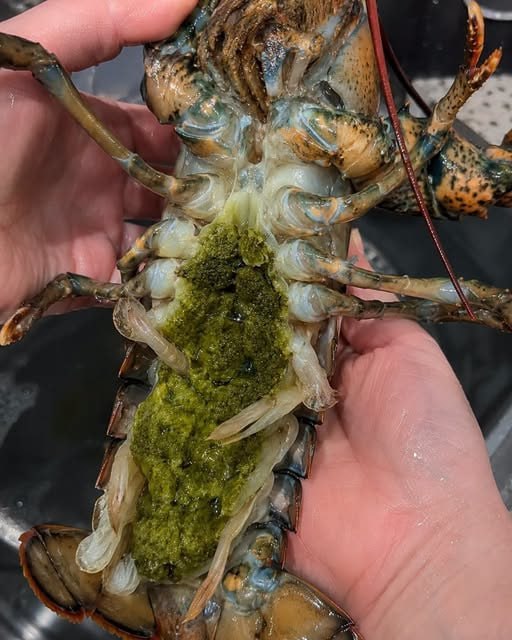
Lobster is one of the most appreciated seafood delicacies around the world. Its sweet, tender meat is often enjoyed during special occasions, family gatherings, and elegant seafood dinners. However, when opening a whole cooked lobster, many people notice a bright green, soft substance inside the body cavity and wonder what it is and whether it is safe to eat.
This green substance is known as tomalley. Although some seafood lovers have traditionally considered it a delicacy, understanding what tomalley is and why food safety experts recommend caution can help you make informed choices when enjoying lobster.
What Is Lobster Tomalley?
Tomalley is the green, paste-like substance found inside the body cavity of a cooked lobster. It is part of the lobster’s digestive system and functions similarly to the liver and pancreas in other animals.
This organ plays an important role in the lobster’s body by helping with digestion, processing nutrients, and filtering substances from its environment. Because of this function, tomalley can contain higher concentrations of certain substances compared with the edible lobster meat.
The main edible parts of a lobster are usually the tail, claws, and body meat. These areas provide the sweet flavor and delicate texture that make lobster a popular seafood choice.
Why Does Lobster Have Green Tomalley?
The green color of tomalley comes from naturally occurring pigments and digestive compounds within the lobster. Its appearance can vary from light green to dark green depending on the lobster’s diet, size, and condition.
Many traditional seafood communities have enjoyed tomalley for generations because of its rich, creamy texture and strong ocean flavor. It has sometimes been spread on crackers, mixed into sauces, or used to add depth to seafood dishes.
However, modern food safety recommendations encourage people to be cautious because tomalley can accumulate substances from the lobster’s surroundings.
Is Lobster Tomalley Safe to Eat?
The safety of eating lobster tomalley depends on several factors, including where the lobster was harvested, environmental conditions, and possible contamination risks. Health authorities in some regions advise limiting or avoiding consumption of tomalley because it can contain higher levels of certain contaminants than lobster meat.
One of the main concerns is that tomalley can accumulate environmental pollutants, including heavy metals and marine toxins, because of its role in the lobster’s body.
While properly cooked lobster meat is generally considered safe when handled correctly, cooking does not remove all types of environmental contaminants that may be present in organs such as tomalley.
Why Food Safety Experts Recommend Caution
1. Possible Accumulation of Environmental Contaminants
Lobsters live in marine environments where natural and human-related substances can enter the ecosystem. Because tomalley helps process materials inside the lobster’s body, it may contain higher concentrations of some contaminants compared with the white meat.
For this reason, many experts recommend choosing the safer option of enjoying the lobster meat while leaving the tomalley behind.
2. Risk of Marine Toxins
Certain types of marine algae can produce toxins that may enter the seafood food chain. Lobsters can be exposed to these toxins through their diet, and some substances may accumulate in internal organs.
Food safety agencies monitor seafood harvesting areas to reduce these risks, but avoiding consumption of organs such as tomalley is considered a precautionary choice by many experts.
3. Extra Caution for Sensitive Groups
Some people may want to be especially careful with foods that have a higher possibility of containing environmental contaminants. This includes individuals who are pregnant, older adults, young children, and people who have specific dietary concerns.
When in doubt, choosing the lobster meat only is a simple way to enjoy the nutritional benefits of seafood while reducing unnecessary exposure risks.
The Nutritional Benefits of Lobster Meat
Although tomalley requires caution, lobster meat itself is a nutritious seafood option when prepared properly. It provides important nutrients that can be part of a balanced diet.
- High-quality protein: Lobster provides protein that helps support normal body functions and muscle maintenance.
- Omega-3 fatty acids: Seafood contains beneficial fats that are commonly associated with heart and overall health.
- Minerals: Lobster contains nutrients such as zinc, selenium, and copper.
- Low carbohydrate content: Lobster is naturally low in carbohydrates.
The best way to enjoy lobster is by focusing on the delicious meat from the tail and claws while following safe seafood preparation practices.
A Delicious Alternative: The Green Goodie Avocado Dip
If you enjoy the creamy texture and vibrant green color often associated with lobster tomalley, there is a simple and delicious alternative that does not involve consuming lobster organs. A fresh avocado-based dip provides a rich texture, beautiful color, and a wonderful flavor that pairs perfectly with seafood.
This avocado dip is easy to prepare, uses simple ingredients, and works beautifully as a seafood appetizer, party dish, or a fresh addition to a homemade seafood dinner.
Ingredients You Will Need
- 2 ripe avocados: Choose avocados that are soft enough to mash but not overly mushy. They create the creamy base of the dip.
- 1/4 cup fresh chives: Finely chopped chives add a mild onion flavor and a fresh green appearance.
- 2 tablespoons fresh lemon juice: Adds brightness, balances the richness of the avocado, and helps maintain freshness.
- A pinch of sea salt: Enhances the natural flavors of the ingredients.
- Freshly ground black pepper (optional): Adds a gentle layer of spice.
How to Make the Avocado Green Goodie Dip
Step 1: Prepare the Avocados
Cut the avocados in half, remove the pits, and scoop the flesh into a medium bowl. Using a fork, gently mash the avocado until it reaches your preferred texture.
For the best result, avoid making it completely smooth. Leaving some small pieces creates a more interesting texture and makes the dip feel fresh and homemade.
Step 2: Add Fresh Herbs
Add the finely chopped chives to the mashed avocado. Carefully mix the ingredients together until the herbs are evenly distributed throughout the dip.
If you prefer a slightly different flavor, you can replace chives with fresh parsley, cilantro, or a small amount of fresh tarragon.
Step 3: Season the Dip
Add fresh lemon juice, sea salt, and black pepper if desired. Mix gently until all ingredients are combined.
Allowing the dip to rest in the refrigerator for around 10 minutes gives the flavors time to blend together and creates a more balanced taste.
Tips for Choosing the Perfect Avocado
Selecting the right avocado makes a big difference in the final texture and flavor of the dip. Follow these simple tips:
- Choose avocados that feel slightly soft when gently pressed.
- Avoid avocados that feel extremely soft or have visible damaged areas.
- If avocados are not fully ripe, leave them at room temperature for a few days until they soften.
- Once cut, lemon juice can help slow down browning.
Creative Variations of the Green Goodie Dip
Seafood-Inspired Version
For an extra seafood-friendly flavor, add a small amount of fresh herbs, lemon zest, or a tiny touch of grated ginger. These ingredients can complement the natural sweetness of lobster, shrimp, and crab.
Spicy Avocado Dip
If you enjoy stronger flavors, add a small amount of chili flakes, jalapeño, or a few drops of hot sauce. This creates a spicy version that pairs well with grilled seafood.
Creamy Herb Version
For a different texture, mix in a small amount of plain Greek yogurt or additional fresh herbs. This creates a lighter, smoother dip suitable for vegetables, seafood, or toasted bread.
Why This Dip Is a Great Seafood Companion
Seafood dishes often benefit from fresh flavors that balance their natural sweetness. Avocado, lemon, and herbs create a combination that is creamy, refreshing, and easy to customize.
Instead of using lobster tomalley, which may raise food safety concerns, this avocado dip provides a similar rich texture while allowing you to enjoy a simple ingredient-based recipe.
Storage Tips
- Store leftover avocado dip in an airtight container in the refrigerator.
- For the best taste and texture, consume it within one day.
- Adding a little extra lemon juice on the surface can help reduce browning.
- Always use clean utensils when serving to maintain freshness.
How to Serve the Green Goodie Avocado Dip with Seafood
This fresh avocado dip is a perfect addition to a seafood meal. Its creamy texture and bright flavor pair especially well with lobster, shrimp, crab, and other shellfish dishes.
For an elegant seafood experience, place the dip in a small serving bowl and arrange it alongside your favorite seafood options. Guests can create their own combinations and enjoy different flavors in every bite.
Serving Ideas
- Lobster tails: Serve the dip alongside warm lobster meat as a fresh alternative to traditional sauces.
- Shrimp platter: Use it as a creamy dipping sauce for chilled or grilled shrimp.
- Crab meat: Pair it with crab for a light and flavorful seafood appetizer.
- Fresh vegetables: Cucumber slices, celery sticks, and endive leaves work well as healthy dipping options.
- Toasted bread: Serve with warm baguette slices or whole-grain crackers for added texture.
Creating a Simple Seafood Dinner Experience
A seafood dinner does not need to be complicated to feel special. Fresh ingredients, careful preparation, and simple flavors can create a memorable meal at home.
A balanced seafood table can include steamed lobster, fresh vegetables, a homemade avocado dip, and a refreshing side salad. The combination of textures and flavors creates a restaurant-style experience without requiring complicated cooking techniques.
Frequently Asked Questions
What is the green substance inside a lobster?
The green substance inside a lobster is called tomalley. It is part of the lobster’s digestive system and functions similarly to the liver and pancreas. Because it can accumulate substances from the marine environment, many food safety experts recommend avoiding regular consumption.
Can you eat lobster meat if you remove the green tomalley?
Yes. The tail, claws, and other lobster meat are the commonly consumed parts of the lobster. Proper handling, storage, and cooking are important for safe seafood preparation.
Is the red substance inside lobster safe to eat?
The red-orange material sometimes found inside a female lobster is called roe, or lobster eggs. In many culinary traditions, roe is considered a delicacy. However, seafood should always be obtained from reliable sources and prepared according to food safety recommendations.
How do you remove tomalley from a lobster?
After cooking the lobster, allow it to cool slightly. Separate the edible meat from the shell and remove any green tomalley from the body cavity before serving. Many people simply discard it as a precaution.
Can lobster shells be reused?
Yes. Lobster shells can be used to make a flavorful seafood stock. Simmer cleaned shells with vegetables, herbs, and water, then strain the liquid. The stock can be used in soups, sauces, and seafood recipes.
How long can avocado dip be stored?
For the best quality, avocado dip should be enjoyed fresh. Store it in a sealed container in the refrigerator and consume it as soon as possible for the best flavor and texture.
Final Thoughts: Enjoy Seafood with Confidence
Lobster remains one of the world’s most appreciated seafood choices, offering a delicious combination of flavor and nutrition. While the green tomalley inside lobster has a long history in traditional cooking, modern food safety recommendations suggest being cautious because this organ can contain higher levels of certain environmental substances.
By focusing on the edible lobster meat and choosing fresh alternatives like an avocado-based green dip, you can enjoy a delicious seafood meal while making informed food choices.
Simple ingredients, safe preparation methods, and a little knowledge about what we eat can make every seafood experience more enjoyable.
Disclaimer
This article is provided for informational and educational purposes only and should not be considered medical, nutritional, or professional advice. Food safety recommendations may vary depending on location, seafood sources, and guidance from local authorities. Always purchase seafood from reputable suppliers, handle and prepare food using safe practices, and consult a qualified professional if you have specific dietary, allergy, or health-related concerns.