
A donut tresse, also known as a braided donut or twisted donut, is a delicious pastry that combines the familiar sweetness of a traditional doughnut with an attractive braided or twisted shape. It is usually prepared with a soft, sweet yeast dough that is carefully shaped into twists or braids before being fried or baked until golden brown. Its distinctive appearance makes it stand out from ordinary round doughnuts, while its soft texture and sweet flavor make it an enjoyable treat for different occasions.
The preparation of a donut tresse begins with a sweet yeast dough that is mixed and kneaded until it becomes smooth and elastic. After the dough has had time to rise, it is divided into portions and shaped into long strands. These strands are then twisted or braided together to create the characteristic appearance of the pastry. The shaped dough is prepared for cooking, and once fried or baked, it develops a golden exterior while maintaining a soft interior.
One of the most appealing features of a braided donut is its combination of texture and appearance. The twisted shape creates an interesting pattern that makes the pastry look attractive even before any decorations are added. When coated with sugar, powdered sugar, or a sweet glaze, the finished donut becomes even more inviting. Its slightly crisp exterior and tender inside make it a satisfying choice for anyone who enjoys traditional sweet pastries.
Donut tresses can also be customized with different toppings and fillings. Some varieties are kept simple with a coating of granulated sugar, while others are finished with vanilla glaze, chocolate, or other sweet decorations. Depending on the recipe, they can also be filled with cream, fruit jam, custard, or other fillings. These variations allow the same basic pastry to be enjoyed in several different ways.
Because of their attractive shape and delicious flavor, braided donuts are suitable for breakfast, afternoon snacks, dessert tables, and family gatherings. They can be served alongside coffee, tea, hot chocolate, or a glass of milk. Whether prepared as a simple sugar-coated pastry or decorated with a rich filling and glaze, a donut tresse is a delightful homemade treat that brings a little variety to traditional doughnut recipes.
Here’s a simple recipe for donut tresse:
Ingredients:
- For the Dough:
- 2 ¼ teaspoons (1 packet) active dry yeast
- ½ cup warm milk (about 110°F or 43°C)
- ¼ cup granulated sugar
- 2 large eggs
- ¼ cup unsalted butter, melted
- ½ teaspoon salt
- 3 to 4 cups all-purpose flour
- For Frying:
- Vegetable oil (for frying)
- For the Glaze (optional):
- 1 cup powdered sugar
- 2-3 tablespoons milk
- ½ teaspoon vanilla extract
Instructions:
- Activate the Yeast:
- In a small bowl, combine warm milk and yeast. Let it sit for about 5-10 minutes until frothy.
- Mix the Dough:
- In a large mixing bowl, combine the yeast mixture, sugar, eggs, melted butter, and salt. Mix well.
- Gradually add flour, one cup at a time, mixing until a soft dough forms. You may need 3 to 4 cups of flour, depending on the humidity.
- Knead the Dough:
- Turn the dough onto a floured surface and knead for about 5-7 minutes until smooth and elastic.
- First Rise:
- Place the dough in a greased bowl, cover it with a clean cloth, and let it rise in a warm place for about 1 hour or until doubled in size.
- Shape the Donuts:
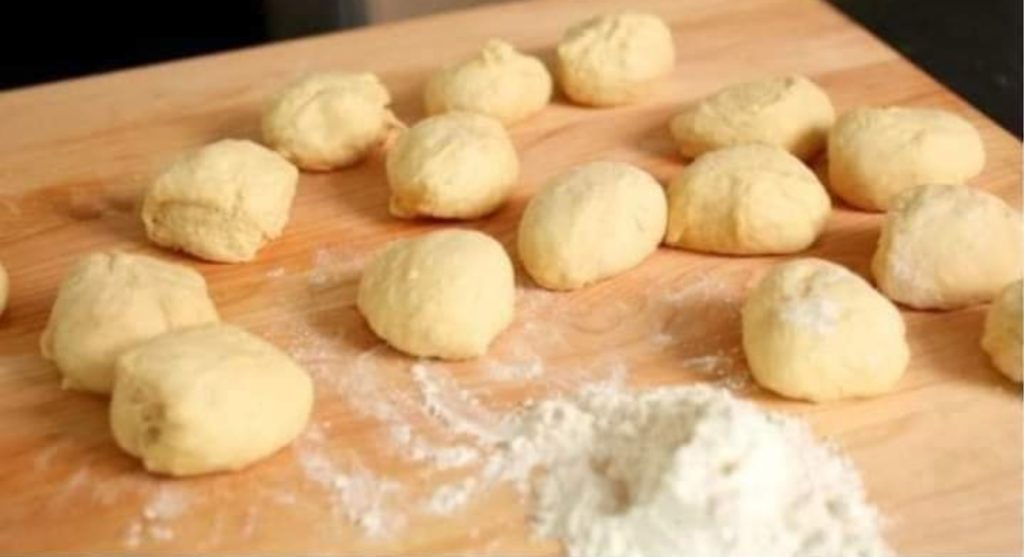
- Once the dough has risen, punch it down and divide it into equal pieces (about 8-10).
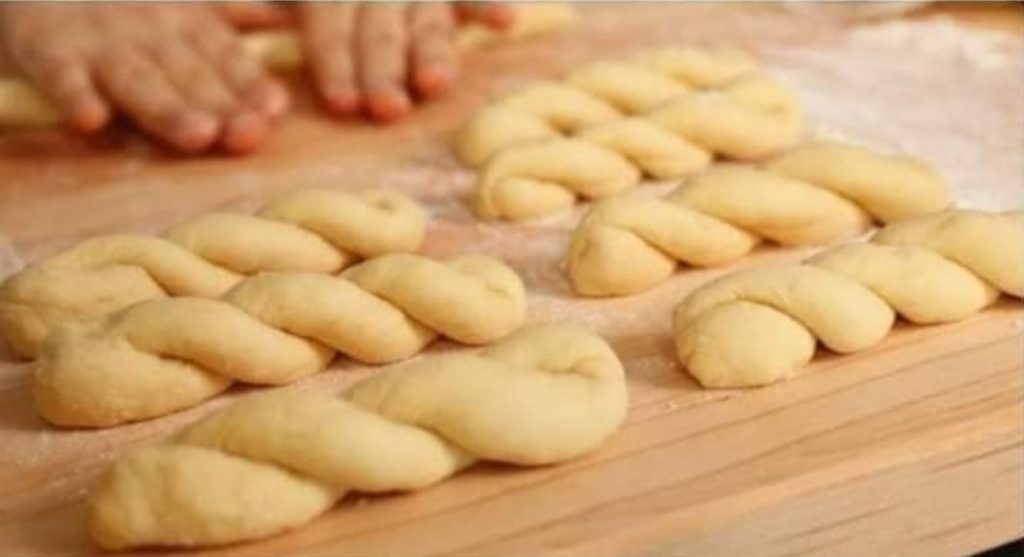
- Roll each piece into a long rope (about 12 inches long) and then braid or twist two ropes together to form a donut shape. Pinch the ends to seal.
- Second Rise:
- Place the shaped donuts on a greased baking sheet, cover them, and let them rise for another 30 minutes.
- Fry the Donuts:
- Heat vegetable oil in a deep fryer or a large pot to 350°F (175°C).
- Carefully place the donuts in the hot oil, frying a few at a time until golden brown on both sides (about 2-3 minutes per side). Remove and drain on paper towels.
- Glaze (optional):
- In a bowl, mix powdered sugar, milk, and vanilla extract until smooth. Dip the warm donuts in the glaze and let them set on a wire rack.

A Sweet Treat Worth Sharing
A freshly prepared donut tresse deserves a little attention when it comes to serving. Its braided shape already gives it a distinctive appearance, so even a simple finishing touch can make it look beautiful on the table. A light coating of powdered sugar creates a classic presentation, while granulated sugar gives it a familiar doughnut-style finish. If you enjoy sweeter pastries, a vanilla glaze or a drizzle of melted chocolate can add a delicious finishing layer.
Different Ways to Enjoy a Donut Tresse
There is no single way to enjoy this twisted pastry. Some people prefer the traditional version, lightly coated in sugar, while others enjoy a more decorated treat with chocolate, icing, or a creamy filling. Fruit jam and custard can bring a different flavor to every bite, while chocolate or vanilla cream makes the pastry feel more like a bakery-style dessert.
You can also experiment with serving combinations. A donut tresse goes particularly well with a cup of freshly brewed coffee, tea, hot chocolate, or cold milk. For a dessert platter, serve it alongside smaller pastries, cookies, or fresh fruit. Its braided appearance adds variety to the presentation and makes it an attractive choice for sharing.
Getting the Best Texture
The texture is an important part of what makes this pastry enjoyable. A good donut tresse should have a pleasant contrast between its exterior and interior, with a lightly golden outside and a soft, tender center. The shaping also contributes to its appearance, so taking care when twisting or braiding the dough helps create a more consistent result.
If you are preparing several pieces, try to keep their sizes reasonably similar. This helps them cook more evenly and gives the finished batch a uniform appearance. Once cooked, allow excess oil to drain from fried pastries before adding sugar or other coatings. For baked versions, allow them to cool appropriately before decorating.
Keeping Leftovers Fresh
If you have some donut tresses left after serving, store them in an airtight container once they have cooled completely. Keep them in a cool, dry place and avoid exposing them to air for long periods, as this can affect their softness. Filled varieties containing cream, custard, or other perishable ingredients should be refrigerated.
Like many homemade yeast pastries, braided doughnuts are generally most enjoyable when freshly prepared. If they become less soft after storage, gently warming an unfilled pastry may help improve its texture. Be careful not to overheat it, especially if it has a glaze or filling.
Make Them Your Own
One of the nicest things about donut tresse is that the basic idea leaves plenty of room for creativity. You can change the shape, experiment with different coatings, or introduce fillings that suit your taste. A traditional sugar-covered version is perfect for everyday enjoyment, while chocolate-glazed or cream-filled varieties can make a more indulgent dessert.
Whether you prepare them for a relaxed weekend breakfast, an afternoon coffee break, or a table full of homemade desserts, donut tresses offer something a little different from ordinary doughnuts. Their twisted design, soft dough, and variety of possible finishes make them a pastry worth adding to your homemade baking collection.
Disclaimer: This donut tresse recipe is provided for general informational and culinary purposes only. The final texture, appearance, and flavor may vary depending on the ingredients, measurements, dough preparation, cooking method, and equipment used. Filling and topping choices may also affect storage requirements. Always follow appropriate food preparation, handling, and storage practices.