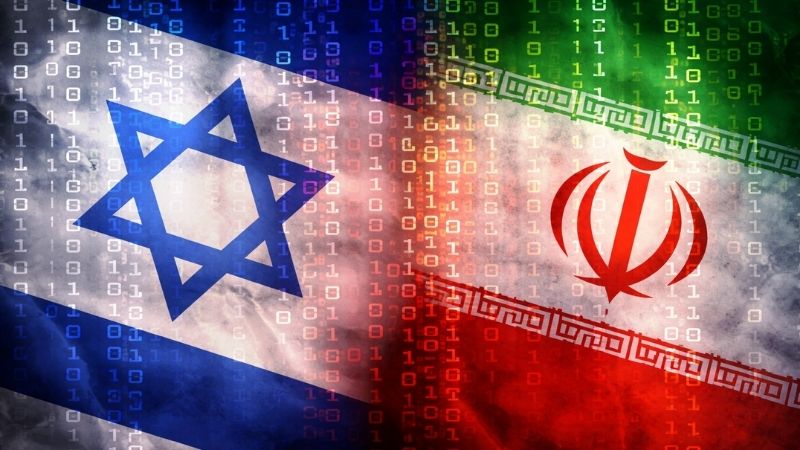
Understanding the Longstanding Tensions Between Iran and Israel
The relationship between Iran and Israel has been shaped by decades of political transformation, regional rivalries, and shifting alliances. While today the two states are widely regarded as adversaries, this was not always the case. Prior to 1979, under the rule of Shah Mohammad Reza Pahlavi, Iran and Israel maintained relatively normal diplomatic and economic ties. Trade agreements, security cooperation, and quiet diplomatic engagement characterized that earlier era.
However, the political landscape changed dramatically following the Iranian Islamic Revolution in 1979. The new leadership in Tehran adopted a foreign policy framework that strongly opposed Israel’s legitimacy and policies. From that point forward, relations deteriorated sharply, laying the foundation for the prolonged hostility that continues to influence Middle Eastern geopolitics today.
Historical Background: Before and After 1979
Before the revolution, Iran and Israel shared strategic interests. Both governments viewed certain regional developments with concern and engaged in discreet cooperation. Economic exchange included oil trade and technological collaboration. Although relations were not widely publicized, they were functional and pragmatic.
The 1979 revolution, which replaced the monarchy with an Islamic Republic, fundamentally reshaped Iran’s foreign policy orientation. The new government emphasized ideological opposition to Israel and aligned itself rhetorically with Palestinian causes. Diplomatic ties were severed, and public discourse between the two states became openly hostile.
Ideological and Political Divides
Since the revolution, Iran has consistently refused to recognize Israel as a legitimate state. Iranian officials have frequently criticized Israeli government policies, particularly regarding Palestinian territories. Israel, in turn, views Iran’s leadership and its regional ambitions as a significant security challenge.
One of Israel’s primary concerns relates to Iran’s nuclear program. Israeli leaders have repeatedly stated that they consider the possibility of Iran acquiring nuclear weapons to be a serious threat. Iranian authorities, meanwhile, maintain that their nuclear activities are for peaceful civilian purposes. International negotiations, inspections, and agreements over the years have attempted to address these concerns, but tensions remain.
Regional Influence and Proxy Dynamics
A central source of friction involves Iran’s support for armed groups that are in conflict with Israel. These include Hezbollah in Lebanon and Hamas in Gaza. Iran has acknowledged providing political and, according to various international reports, material support to such groups. Israel views this assistance as destabilizing and a direct threat to its national security.
In response, Israel has conducted airstrikes in Syria and other locations targeting what it describes as Iranian military infrastructure and weapons transfers intended for allied groups. These operations are often described as part of a broader effort to limit Iran’s military footprint in the region.
The “Shadow War”
Although Iran and Israel do not share a direct border, analysts frequently describe their ongoing confrontation as a “shadow war.” This term refers to indirect and covert actions rather than open, large-scale battlefield engagement. The rivalry has included cyber incidents, intelligence operations, targeted strikes, and missile or drone exchanges involving allied actors.
Cybersecurity has become an increasingly prominent dimension of this competition. Both countries have faced reported cyberattacks on infrastructure, financial systems, and strategic facilities. While official acknowledgments are often limited, cybersecurity experts and international observers note a pattern of digital confrontation that complements the broader geopolitical struggle.
Diplomatic Efforts and International Involvement
Global powers and regional actors have frequently sought to reduce tensions between Iran and Israel, recognizing that escalation could destabilize the wider Middle East. Negotiations over Iran’s nuclear program, including multilateral agreements and monitoring arrangements, have aimed to create transparency and reduce the likelihood of military confrontation.
At the same time, shifting alliances in the region — including normalization agreements between Israel and several Arab states — have added new layers of complexity. These developments have influenced strategic calculations on all sides and reshaped regional diplomacy.
Risks of Escalation
The situation remains highly sensitive. Direct, large-scale confrontation between Iran and Israel could have far-reaching consequences, potentially drawing in neighboring countries and global powers. Energy markets, international trade routes, and regional security structures could all be affected.
Military analysts emphasize that miscalculations, unintended incidents, or rapid escalation following limited exchanges pose significant risks. As a result, communication channels — both public and indirect — play an important role in managing tensions and preventing broader conflict.
The Human Dimension
It is important to recognize that political hostility between governments does not necessarily reflect the perspectives of entire populations. Cultural, historical, and personal connections between peoples of the region are complex and varied. Public discourse within both societies includes a wide range of opinions about foreign policy, security, and regional cooperation.
Looking Ahead
The relationship between Iran and Israel remains one of the most consequential rivalries in the Middle East. It is shaped by history, ideology, strategic concerns, and evolving regional alliances. While periods of heightened tension have occurred, full-scale direct war has so far been avoided.
Observers continue to monitor developments closely, particularly regarding nuclear negotiations, regional security arrangements, and indirect confrontations. The future trajectory of Iran–Israel relations will likely depend on diplomatic engagement, regional shifts, and the broader international environment.