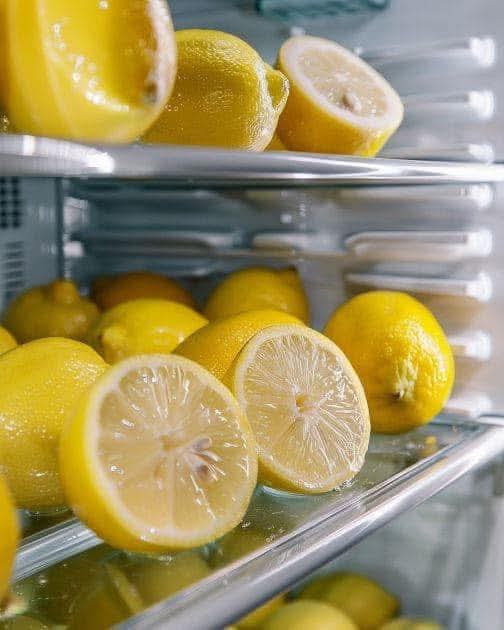
Introduction
Many households struggle with keeping the refrigerator smelling clean and fresh. Even when you regularly organize your shelves and remove old food, subtle odors can still linger. Surprisingly, one of the simplest and most effective solutions comes from a common fruit: the lemon. Placing a lemon in your fridge is a natural, safe, and inexpensive method that many people use without relying on chemical sprays or artificial fragrances. This long and detailed article explains why this method works, what benefits it offers, how to use it correctly, and what extra steps you can take to maximize freshness in your refrigerator.
Why People Put Lemons in the Refrigerator
Lemons have long been admired for their fresh scent, natural acidity, and powerful essential oils. These features make them incredibly effective at reducing unpleasant odors. When placed in a fridge, lemons work in several ways:
- They neutralize strong smells from foods like fish, onions, garlic, and cheese.
- Their essential oils slowly evaporate, filling the fridge with a light citrus aroma.
- They absorb some odors due to their porous structure.
- They offer a chemical-free solution for anyone sensitive to artificial fragrances.
- They are inexpensive and easy to replace, making this method both practical and repeatable.
Experts often focus on cleaning methods and chemical solutions, but simple kitchen tricks like this one are just as effective for everyday freshness.
The Science Behind Lemon Deodorizing
Lemons contain natural compounds, including limonene, a powerful essential oil responsible for their distinct fresh scent. Limonene is known for its ability to:
- Break down odor-causing molecules
- Reduce certain airborne bacteria
- Provide a refreshing atmosphere
- Mask unwanted smells without overwhelming them
Unlike artificial fresheners, which simply coat the air with perfume, lemons create a cleaner and more natural environment.
How to Prepare the Lemon for Your Fridge
To get the maximum deodorizing effect, you need to prepare the lemon properly. Here are the most effective steps:
- Select a fresh lemon with a smooth, bright yellow peel. Freshness matters because older lemons lose their essential oils.
- Wash the lemon to remove any wax or residue commonly found on store-bought citrus fruits.
- Cut the lemon in half. This exposes the inner pulp, allowing the scent to diffuse more easily.
- Optional: Add a pinch of salt on the cut side. Salt helps draw out moisture and increases the lemon’s ability to absorb odors.
- Place the lemon on a small plate or shallow cup. Direct contact with fridge shelves might leave sticky residue as the lemon dries.
- Choose a central shelf to help the scent spread more evenly.
- Leave the lemon for 2–4 days, depending on your fridge’s humidity. Replace it once it starts looking dry or shriveled.
This preparation method ensures you get the longest-lasting and cleanest deodorizing effect.
Types of Refrigerator Odors a Lemon Can Handle
Not all fridge odors are the same. Some are mild, while others are stubborn. A lemon is especially effective for:
- Seafood smells, which tend to cling to the air
- Onion and garlic odors, which spread quickly
- Strong cheese scents, especially blue cheese or aged varieties
- Leftover food odors, especially spicy or saucy dishes
- Mild musty smells caused by moisture
- General stale odors that develop over time
For extremely strong odors, a lemon may not remove everything, but it will noticeably lighten the scent and make the fridge feel fresher.
Other Creative Ways to Use Lemons in the Fridge
While simply placing a lemon in the fridge is effective, there are additional lemon-based methods that work even better:
1. Lemon with Cloves
- Stick 4–6 whole cloves into half a lemon.
- This combination creates a warm, sweet, citrus aroma.
- It’s especially good for neutralizing fishy and meaty smells.
2. Lemon Slices in a Small Bowl
- Slice the lemon into thin round pieces.
- Place them in a small open cup.
- This gives more surface area, releasing more scent.
3. Lemon Essential Oil Boost
- Add 2–3 drops of lemon essential oil on top of the lemon.
- This method strengthens the freshness without using chemicals.
4. Lemon and Baking Soda Duo
- Place one cup of baking soda on one shelf.
- Place half a lemon on another shelf.
- Baking soda absorbs deeper odors while lemon adds freshness.
All of these variations are safe and food-friendly.
How Often Should You Replace the Lemon?
A lemon typically stays fresh inside the refrigerator for 3 to 7 days. The exact lifespan depends on humidity, temperature, and airflow. You should replace your lemon if:
- It starts drying out
- It shows brown spots
- It loses its scent
- It becomes hard or shriveled
A simple rule is to use one fresh lemon per week for continuous freshness.
Why Lemon Is a Better Alternative Than Chemicals
Many conventional fridge deodorizers contain artificial scents or strong ingredients that can transfer onto food. A lemon, on the other hand:
- Is 100% natural
- Doesn’t release harmful chemicals
- Doesn’t affect food flavor
- Doesn’t introduce artificial fragrance
- Works even for people with allergies or sensitivities
It’s a simple choice that promotes a healthier, fresher kitchen environment.
When Lemon Alone Isn’t Enough
If your fridge has very strong or persistent odors, one lemon might not solve the entire problem. In such cases:
- Check for expired food
- Clean any spills, especially from sauces
- Wipe drawers with warm water and mild soap
- Use baking soda together with lemon
- Make sure your fridge temperature is set correctly
Lemons are great for maintenance, but they work best when the fridge is already clean.
Conclusion
Placing a lemon in your refrigerator is a surprisingly effective and practical trick that countless households rely on. It offers a natural, gentle way to neutralize everyday fridge odors, refresh the air, and avoid chemical-based solutions. With minimal effort, a single lemon can make your kitchen feel cleaner and more inviting every time you open the fridge door. It’s inexpensive, safe, and simple — a small habit that brings noticeable results.
Disclaimer: This article is for entertainment purposes. The story and image associated with it are fictional, and any image is generated using AI.