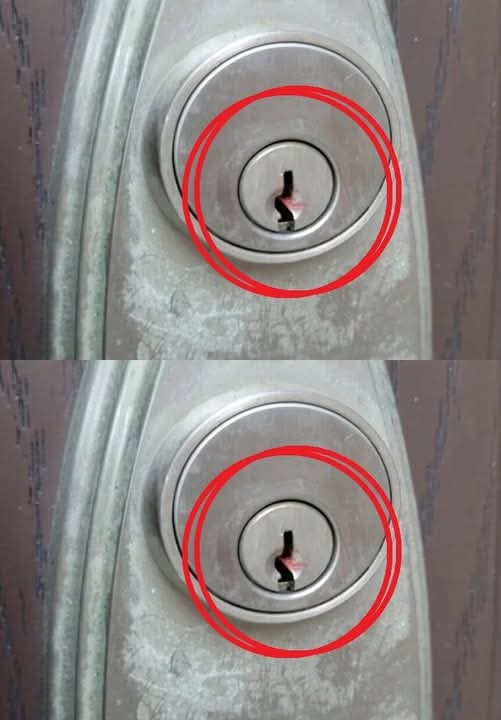
Red Wax on Your Door Lock: What It Might Indicate and How to Protect Your Home
Finding red wax on your door lock is something that immediately catches your attention. It is unusual, unexpected, and often raises concern, especially when you cannot think of a harmless reason for it to be there. While not every strange mark is connected to suspicious behavior, red wax on a lock is something you should never ignore. It can be a subtle indicator that someone has observed your home, tested your entry points, or attempted to leave a sign for a later return. Understanding what it might mean—and what steps you should take—can help protect your home and maintain your peace of mind.
Why Red Wax Is a Warning Sign
Red wax does not naturally appear on a lock. Someone must intentionally place it there. In certain cases, individuals who scout neighborhoods for potential break-ins use small, discreet markers to communicate with others or to remind themselves which properties to pay attention to later. Wax is easy to apply, quick to remove, and unlikely to attract immediate attention unless you are looking closely.
Although not all markings are linked to criminal behavior, wax is sometimes used to:
- Check whether a lock is disturbed, helping criminals understand your schedule.
- Signal to someone else that the house may be unoccupied at certain hours.
- Mark a property that appears vulnerable or worth monitoring.
Because the meaning is not always clear, treating the situation seriously is the safest approach.
Why Criminals Might Choose Wax and the Color Red
Wax has a few advantages for anyone trying to leave a mark:
- It sticks easily to metal surfaces.
- It can be applied in seconds.
- It does not make noise or cause damage.
- It blends in enough to go unnoticed by many homeowners.
The color red is visible but not overly obvious from a distance. It can be bright enough for someone “in the know” to see it later, yet subtle enough that a person walking past your door may not notice.
What to Do Immediately if You Notice Red Wax
Inspect the Entire Area
Take a close look at your door handle, frame, nearby windows, and any other entry points. Sometimes criminals test multiple parts of a door, and small scratches or smudges might indicate tampering.
Photograph the Wax
Before removing it, take clear photos of the mark. Documentation can be useful if future suspicious activity occurs or if authorities need information.
Remove the Wax
After photographing it, wipe it off. Leaving it in place may give someone confirmation that you are not home regularly.
Upgrade Your Lock
If your lock is old or easy to manipulate, consider upgrading to a high-security deadbolt, a smart lock, or a reinforced lock system. A stronger lock not only makes break-ins harder but can also discourage criminals from targeting your home at all.
Check or Install Security Cameras
Security cameras—especially visible ones—are one of the strongest deterrents. Make sure yours are functioning and positioned correctly. If you do not have any, even a single camera above the entrance can significantly improve your security.
Talk to Your Neighbors
Your neighbors may have noticed unusual activity or similar markings. A neighborhood that communicates is harder for criminals to exploit.
Report It to Local Authorities
You do not have to be certain that something is wrong to notify the police. Reporting suspicious activity helps them track patterns and increases safety for everyone in your area.
Understanding How Criminal Markings Work
In some cases, criminals will leave a small mark—like wax—to see whether the homeowner notices. If the wax remains for many days, it can signal that:
- The house may be empty for long periods
- The homeowner does not pay attention to the entrance
- The routine is predictable
- The property might be an easier target
These tactics rely on subtlety, which is why noticing small changes around your door is so important.
A Realistic Example of Why It Matters
Imagine a homeowner who sees a small wax mark on their lock and assumes it is a harmless prank. A week passes, and one night, someone attempts to open the door quietly. Fortunately, a motion-activated security light turns on, scaring the intruder away. When the homeowner checks the footage later, they notice the same individual approaching the house multiple times that week.
Ignoring the wax was a mistake—one that could have resulted in a successful break-in.
Strengthening Your Long-Term Home Security
While the wax itself may not be dangerous, it is a good opportunity to review how secure your home truly is. Consider:
- Adding motion-sensor lights
- Reinforcing the door frame
- Using smart alarms and notification systems
- Avoiding predictable routines
- Keeping the entrance area well-lit
A home that looks monitored and protected is far less likely to be targeted.
Stay Aware and Take Action
Red wax on your lock may not automatically mean someone intends to break in, but it does mean you should pay attention. Staying observant, taking precautions, and upgrading your security where necessary can prevent future problems. Your home is your safe space, and protecting it starts with noticing the small things—like an unfamiliar red mark that shouldn’t be there.
Disclaimer
This article is created for informational and entertainment purposes. The scenario described is a narrative interpretation.